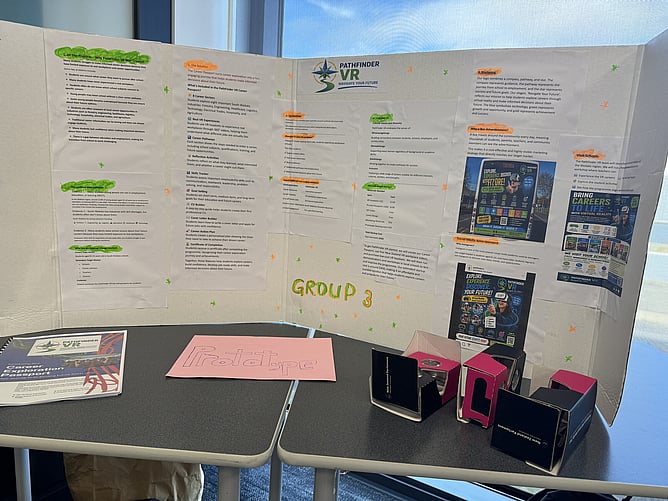
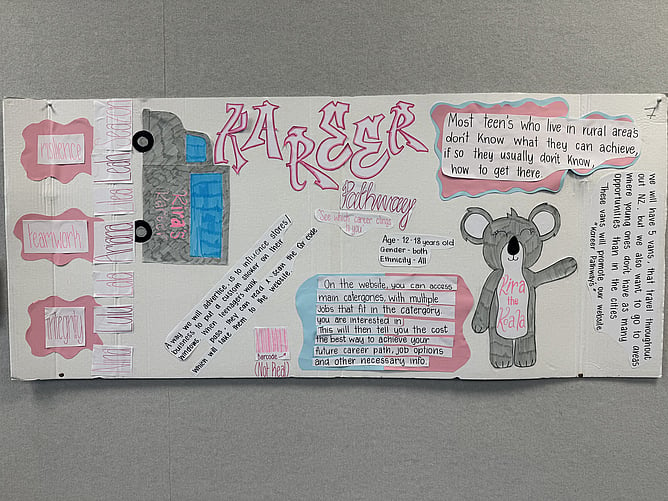
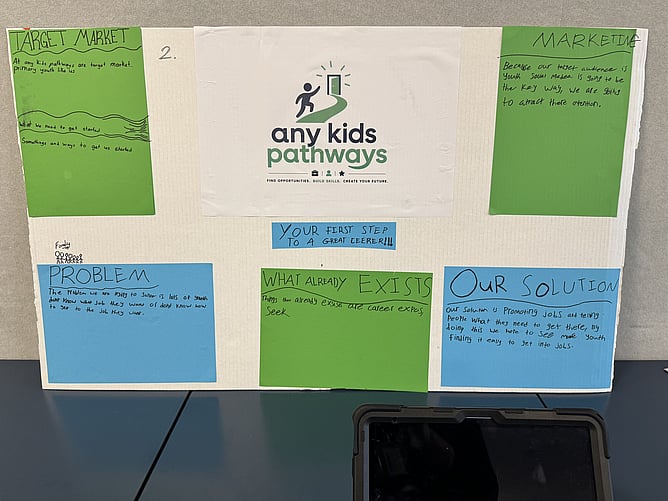
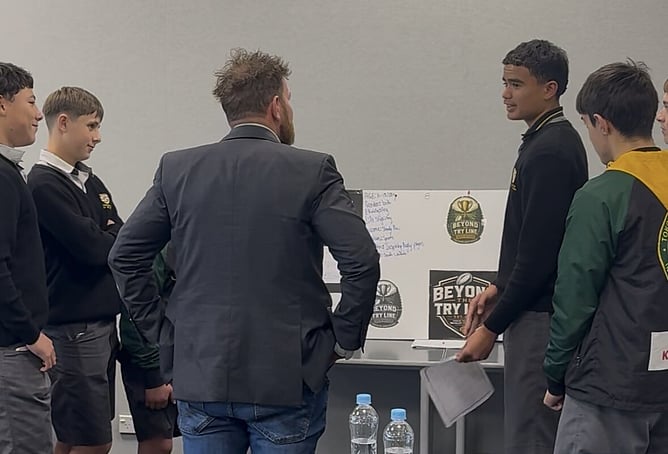
From 24–26 June 2026, Pūkenga Rau was filled with energy, creativity, and fresh thinking as more than 60 Year 10 students from across South Waikato came together for a three-day innovation and enterprise challenge.
The kaupapa was simple:
“How might we, in South Waikato, design the path from school into work to be clear, accessible and exciting for every student — no matter their grades, interests or background?”
It was inspired by insights from the South Waikato Workforce, Employment and Training Needs Study, which highlighted some clear challenges:
Many rangatahi don’t see or understand the opportunities around them
Pathways from school into training and work can feel unclear or hard to navigate
There is often limited exposure to real workplaces and careers
Stronger coordination is needed between schools, employers, and training providers.
At the same time, the report also pointed to a big opportunity:
With the right support, South Waikato can build clearer, stronger, and more connected pathways for young people into meaningful work.
This programme was one way of testing that opportunity — by putting rangatahi at the centre of the solution.
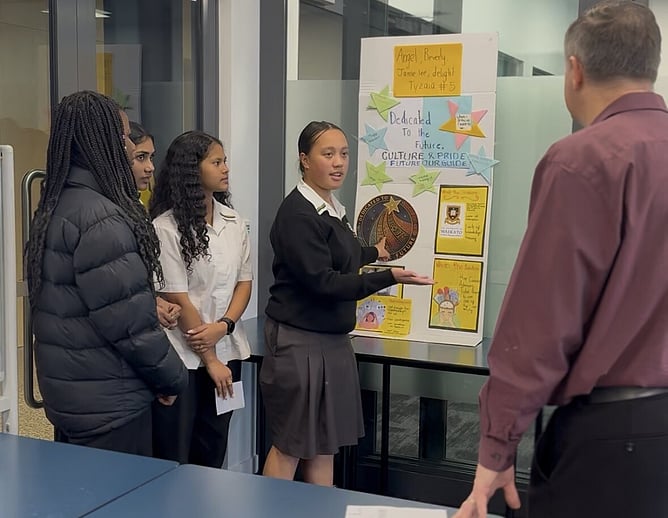
Three days of thinking, creating and pitching
Over three days, students worked in mixed teams alongside facilitators from Young Enterprise to:
Explore the real challenges facing youth pathways
Share their own experiences and perspectives
Develop practical ideas and solutions
Test and refine their thinking
Pitch their ideas to a panel
The focus wasn’t just on coming up with ideas — it was about building confidence, collaboration, and real-world thinking.
Students were encouraged to think about:
What young people need to know about careers
How to make pathways easier to understand
How to build confidence and motivation
What tools or platforms could support their journey
Ideas shaped by lived experience
What stood out across the three days was the depth of thinking from rangatahi.
Many of the ideas reflected real challenges they experience, including:
Not knowing what jobs are available locally
Feeling unsure about how to get from school into work
Wanting more hands-on experiences before making decisions
Needing clearer, simpler information about pathways
Students responded with practical and creative ideas, including:
Digital platforms that map out career pathways in simple, visual ways
Campaigns that make learning about careers more engaging and youth-focused
Tools to connect students with real-world experiences earlier
Ideas to build confidence and life skills alongside career planning
The prototypes and pitches showed not only creativity, but a strong understanding of what needs to change.
A space that brings pathways to life
Hosting the programme at Pūkenga Rau was a key part of the experience.
As highlighted in the workforce study, Pūkenga Rau plays an important role as a local, hands-on learning environment where:
Students can connect with real opportunities
Practical learning builds confidence and engagement
Schools, employers, and training providers can come together.
Over the three days, this space became exactly that — a place where ideas were explored, tested, and brought to life.
Strong feedback from schools
The impact of the programme was clear from the feedback received from schools involved:
Students “loved it” and valued the opportunity to take part
Feedback from rangatahi was described as “very promising and positive”
Schools highlighted the experience as a “wonderful opportunity” with real benefit for students
There is strong interest in continuing the programme in the future
There was a clear, shared message: this is something worth building on.
This programme is more than just a three-day event. It is part of a bigger effort to:
Build an evidence-led approach to workforce development
Strengthen pathways from school into training and employment
Create opportunities that are local, practical, and accessible
Support rangatahi to feel confident about their futures
The workforce study highlighted that many young people experience uncertainty about their next steps, often due to limited exposure and unclear pathways.
This programme directly responds to that challenge by:
Giving students voice and agency
Creating early exposure to problem-solving and innovation
Building capability, confidence, and connection
Looking ahead
What made these three days so special wasn’t just the ideas — it was the energy, openness, and willingness of rangatahi to step up and tackle something that matters to their future.
There is real potential here.
With continued collaboration between schools, employers, iwi, and community partners, programmes like this can help:
Shape more connected and supported pathways
Keep rangatahi engaged in their own communities
Build a workforce that is confident, skilled, and future-ready
Most importantly, it reinforces a simple truth:
Our young people aren’t just part of the system — they are a key part of designing it.